

TMT Bars’ Uses in Column | MS Life
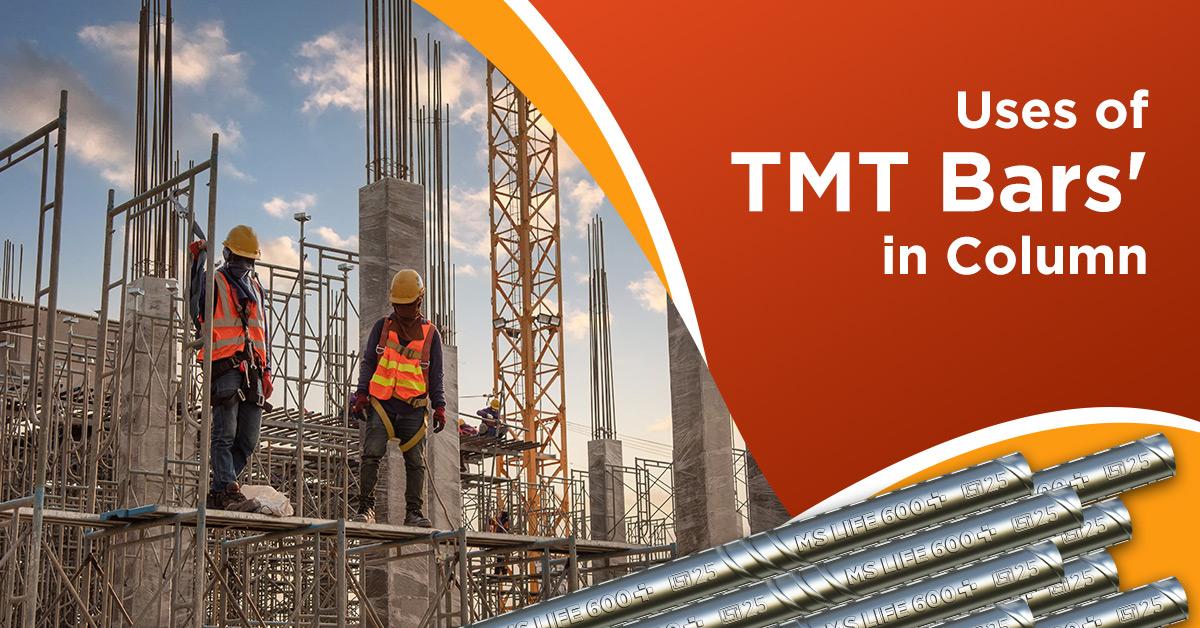
Concrete Structures are strong enough to build any structure but it does not have that strength to withstand any natural hazards until Steel Bars are added to it. Once TMT Bars are added to Concrete the name becomes Reinforced Cement Concrete (RCC). These bars have enough strength to be used in any modern structure. And since modern construction involves high-rise structures it should be capable to withstand a good load. Also, earthquake-resistant TMT bars are now used so that buildings or high rises remain safe. Thus, it is important to choose the best-in-class materials for a great construction.
RCC framed construction consists of a series of columns to provide that extra load-bearing capability. It is used in houses that are interconnected by beams. These beams or columns help to transfer the building load to underneath soil with RCC footings.
A column is nothing but a vertical compression object which helps to transmit the load of the structure to foundations. They are toughened by means of vertical bars to resist compression or shearing forces.
Loads for Column Design
• Dead Load: Any permanent load on the column-like its self-weight and beam
• Live Load: Any load that is moving or is not permanent in nature
• Earthquake Load: This depends entirely on the seismic zone where the construction is located. If it’s a high seismic zone, then the load will be more.
• Wind Load: Depends on the speed of the wind along with the height & location of the building.
Suggested construction practices for columns
• 4 longitudinal rebars in rectangular and 6 in circular columns should be there at least in a column.
• Rebars should be placed symmetrically
• If column rebar is used for future construction apply a coat of cement slurry to the exposed portion of rebars and wrap them to guard against atmospheric corrosion
• While lapping of column rebars, the connecting rebar should be given a slope of 1 in 6 (minimum).
• The tie’s end needs to be bent as 135° hooks. This extends beyond the bend must not be less than 75 mm.
• Following this guideline can help in holding the vertical rebars of opening up during an earthquake. This may lead to the failure of the column.
• At least 0.8% of steel to be used in an RCC column.
• Minimum RCC beam size or its diameter should not be less than 9″x 9″, and minimum thickness of RCC slab should be 5″ because it needs to be ensured a slab may contain electrical pipes.
These are to be followed and an earthquake-resistant TMT bar which is strong and durable must be used for a solid foundation of your home.
Related articles
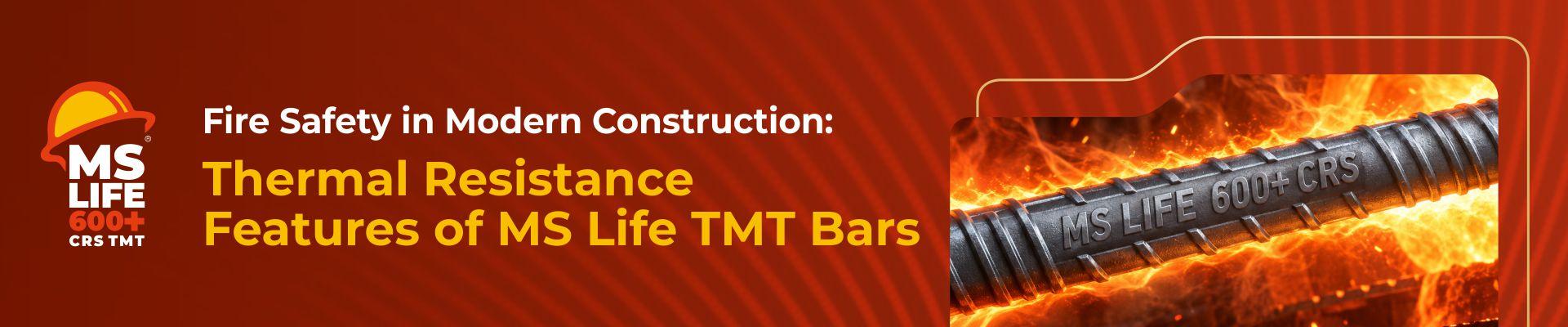
Fire Safety in Modern Construction: Thermal Resistance Features of MS Life TMT Bars
The Hidden Structural Threat of Thermal Degradation When designing residential homes or high-rise commercial towers, structural engineers prioritize resistance against static dead loads, live loads,…
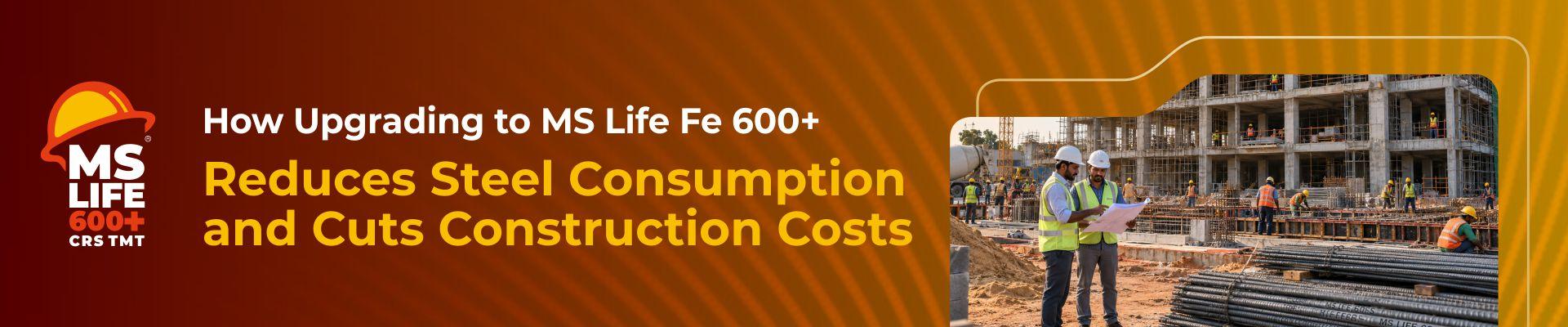
How Upgrading to MS Life Fe 600+ Reduces Steel Consumption and Cuts Construction Costs
The Economic Challenge of Modern Construction Fluctuating material costs, rising transportation expenses, and tight project schedules place tremendous financial pressure on modern builders, real…
Get today's RCP price
Transparent recommended consumer price, displayed at every dealer outlet. Sold per piece, with no weighment hassle.
Stronger together. Join the MS Life dealership today
We are expanding to create a pool of MS Life dealers across India. Grow with a primary steel manufacturer.